Visualizing Trust: The Strategic Role of the Padlock Security Safeguard with Code Key in Modern Design
In an era where digital assets are as valuable as physical inventory, the visual language of security has become a critical component of brand communication. Professionals across marketing, technology, and creative industries are increasingly recognizing that trust is not just built through backend encryption or legal compliance; it is communicated instantly through imagery. At the forefront of this visual shift is the concept of the Padlock Security Safeguard with Code Key. This is not merely a graphic element; it represents a sophisticated intersection of traditional safety metaphors and modern digital authentication systems.
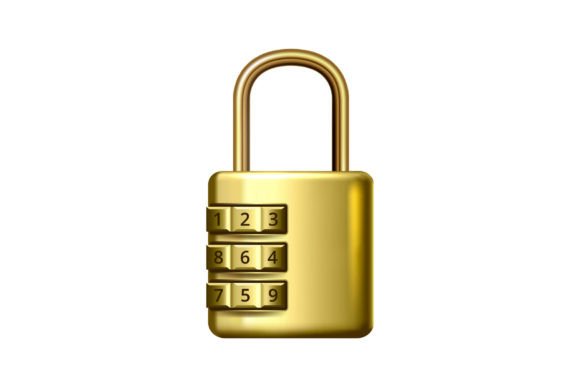
As we navigate a landscape defined by data breaches, identity theft, and heightened consumer skepticism, the demand for realistic, high-fidelity security illustrations has surged. The Locked Padlock Privacy Protect Tool For Close Box With Password Combination System serves as a powerful symbol in this context. It bridges the gap between abstract cybersecurity concepts and tangible user understanding. Whether utilized in a whitepaper, a website header, or a mobile application interface, these visuals do more than decorate; they reassure.
The Shift from Physical to Digital Metaphors
Historically, the padlock was a strictly physical object—a mechanism of iron and steel designed to protect tangible property. Today, its representation in media, particularly through high-quality Lock Secure Equipment Template Realistic 3d Illustration assets, has evolved to represent intangible value. When a professional selects a Padlock Security Safeguard With Code Key Vector, they are making a strategic decision to align their brand with the ideals of impenetrability and precision.
The inclusion of a "code key" or combination system in these illustrations is particularly significant. It moves the narrative away from simple locking mechanisms toward complex authentication. This mirrors the real-world transition from single-factor security (a simple key) to multi-factor authentication (codes, biometrics, and tokens). By utilizing imagery that depicts a password combination system, creators signal to their audience that the protection offered is dynamic and intelligent, not static.
This evolution reflects broader industry trends where transparency and robust security protocols are no longer optional features but foundational expectations. Consumers and B2B clients alike are scrutinizing how companies handle data. A generic icon of a lock may suffice for a basic interface, but a detailed, realistic 3D illustration conveys a level of seriousness and investment in security that resonates deeply with discerning audiences.
Why Realism Matters in Security Communication
The choice between a flat icon and a Realistic 3d Illustration is often a choice between functionality and emotional impact. While flat design offers clarity, realistic rendering offers weight. When a user sees a highly detailed render of a safeguard with a code key, complete with textures, lighting, and depth, the psychological effect is one of solidity. It suggests that the security measure is substantial and engineered with care.
Consider the workflow of a fintech startup launching a new vault app. Their marketing materials need to convey absolute reliability. Using a Padlock Security Safeguard with Code Key rendered in high-definition formats like JPG for web display or EPS for print collateral allows for versatility without sacrificing quality. The vector format ensures that whether the image is scaled for a billboard or a smartwatch screen, the integrity of the visual remains intact. This adaptability is crucial in an omnichannel marketing environment where brand consistency is paramount.
Furthermore, the realism in these templates allows for nuanced storytelling. Shadows can imply depth and complexity; metallic finishes can suggest durability; the intricate details of a combination dial can hint at the sophistication of the underlying algorithm. These subtle cues accumulate to form a narrative of trust that text alone often struggles to achieve.
Integrating Security Visuals into Modern Workflows
For designers, marketers, and content creators, the integration of such specific assets into their workflows addresses a growing need for specificity. Generic stock photography often fails to capture the unique requirements of tech-focused campaigns. A photo of a real-world padlock might look out of place next to a screenshot of a blockchain interface. However, a stylized yet realistic 3D template acts as a perfect bridge, grounding the abstract technology in a familiar physical reality.
- Enhancing User Interface (UI) Design: Incorporating these elements into onboarding screens can reduce anxiety for new users concerned about data privacy.
- Strengthening Brand Identity: Consistent use of high-quality security imagery reinforces a brand's commitment to safety across all touchpoints.
- Improving Conversion Rates: Trust signals placed strategically near call-to-action buttons or checkout pages can alleviate hesitation and drive conversions.
The availability of these assets in versatile formats like JPG and EPS facilitates seamless integration into diverse creative suites. Whether a team is working in Adobe Illustrator, Photoshop, or a web-based design tool, the ability to manipulate layers, adjust colors, and resize without pixelation empowers creators to tailor the message precisely to their campaign's needs.
The Broader Context of Privacy and Protection
The rising attention paid to tools like the Locked Padlock Privacy Protect Tool is symptomatic of a larger cultural shift. We are living in a "zero-trust" architecture world, where verification is continuous. The visual representation of this concept must evolve accordingly. The "code key" aspect of modern padlock illustrations speaks directly to this reality. It acknowledges that access is granted only through specific, authorized knowledge.
This relevance extends beyond the tech sector. In healthcare, legal services, and e-commerce, the stakes of data privacy are incredibly high. Professionals in these fields are constantly seeking ways to communicate compliance and security without overwhelming their clients with technical jargon. A well-crafted visual serves as a universal shorthand. It says, "Your data is safe," in a language that transcends barriers.
Moreover, the aesthetic quality of these illustrations reflects the professionalism of the entity using them. A pixelated or clip-art style lock can inadvertently suggest cut corners or outdated technology. Conversely, a crisp, Lock Secure Equipment Template Realistic 3d Illustration implies a modern, forward-thinking organization that invests in the best tools available—including the tools used to communicate its values.
Future-Proofing Visual Assets
As we look toward the future of digital interaction, the role of visual trust markers will only expand. With the advent of virtual reality (VR) and augmented reality (AR) interfaces, the demand for 3D assets that can exist in spatial computing environments is growing. A Padlock Security Safeguard With Code Key Vector is not just a static image; it is a potential asset for immersive experiences. Imagine a user navigating a virtual data center, where interacting with a realistic 3D padlock unlocks secure files. The foundation for such experiences lies in the high-quality, scalable assets available today.
Entrepreneurs and freelancers who understand this trajectory are positioning themselves ahead of the curve. By selecting assets that offer both immediate utility and long-term adaptability, they ensure their branding remains relevant as technology evolves. The flexibility of vector formats ensures that today's investment in quality graphics pays dividends tomorrow, regardless of changes in screen resolution or display technology.
In conclusion, the Padlock Security Safeguard with Code Key is more than a decorative element; it is a vital instrument in the toolkit of modern communication. It encapsulates the convergence of tradition and innovation, physical metaphor and digital reality. For professionals aiming to build lasting trust in a skeptical market, leveraging high-quality, realistic security illustrations is a strategic imperative. It is a clear declaration that in a world of uncertainties, safety is not just a promise—it is a visible, tangible reality.
By embracing these visual standards, creators and businesses can effectively navigate the complexities of the digital age, ensuring that their message of security is heard, seen, and believed. The fusion of artistic realism with the functional symbolism of the code-key padlock stands as a testament to the power of design in shaping perception and fostering confidence in an interconnected world.