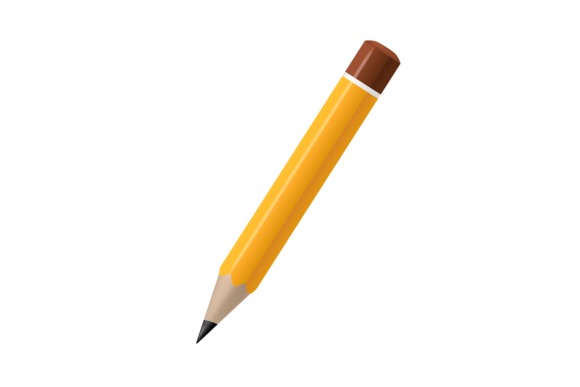
Why the Pencil Mockup Realistic Yellow Wooden G Is Essential for Modern Design
In an era dominated by sleek touchscreens, stylus-enabled tablets, and cloud-based collaboration tools, there remains a profound appreciation for the tactile authenticity of traditional stationery. The Pencil Mockup Realistic Yellow Wooden G represents more than just a digital asset; it is a bridge between the nostalgic warmth of physical creativity and the efficiency of modern digital workflows. For designers, marketers, educators, and business owners, incorporating hyper-realistic elements like this into visual communications can significantly enhance brand perception and user engagement.
This specific type of mockup—a realistic yellow wooden graphite object designed for drawing and writing—serves as a versatile tool in the creative arsenal. Whether utilized as school office stationery in an educational campaign or showcased as a creative artist tool in a portfolio, its utility spans across various industries. The shift towards high-fidelity 3d isolated on white background illustration formats, available in both EPS and JPG, reflects a broader market preference for clarity, professionalism, and immediate visual impact.
The Evolution of Digital Realism in Stationery Design
The journey from simple vector icons to complex, photorealistic 3d isolated illustrations marks a significant evolution in graphic design resources. Years ago, a pencil icon might have been a flat, two-dimensional shape with minimal shading. Today, audiences expect depth, texture, and lighting that mimics reality. The Pencil Mockup Realistic Yellow Wooden G exemplifies this shift. It captures the subtle grain of the wood, the metallic sheen of the ferrule, and the precise sharpness of the graphite tip, offering a level of detail that resonates with viewers on a subconscious level.
This demand for realism is driven by changing user expectations. As consumers become more digitally literate, they can easily distinguish between low-effort graphics and premium design assets. Businesses and freelancers who adopt high-quality mockups demonstrate a commitment to quality that extends beyond their core product to their marketing materials. When a potential client sees a brochure or a website featuring a crisp, realistic pencil mockup, they infer a similar attention to detail in the services offered.
Furthermore, the availability of these assets in versatile formats like EPS and JPG caters to diverse workflow needs. Vector files (EPS) allow for infinite scalability without loss of quality, making them ideal for large-format printing such as banners or trade show displays. Conversely, high-resolution JPGs are perfect for web use, social media posts, and rapid prototyping where file size and loading speed are critical considerations.
Practical Applications Across Industries
The versatility of a realistic yellow wooden graphite object extends far beyond simple decoration. Its application varies significantly depending on the sector, yet the underlying goal remains the same: to communicate ideas effectively and aesthetically.
- Education and E-Learning: In the education sector, visuals play a crucial role in engagement. Using a recognizable school office stationery item like a classic yellow pencil in course thumbnails, presentation slides, or promotional emails can instantly signal "learning" and "creativity" to students and parents. It grounds digital learning platforms in the familiar comfort of traditional schooling.
- Branding and Identity: For startups and established businesses alike, branding is about storytelling. A creative artist tool depicted with high realism can serve as a central motif in a logo or brand identity package, suggesting craftsmanship, precision, and the human touch behind the business.
- Marketing and Advertising: Marketers often need to create urgency or highlight specific features in campaigns. A 3d isolated on white background illustration allows for seamless integration into any colored background or complex layout. Whether promoting a back-to-school sale or a new design software, the pencil acts as a universal symbol of initiation and action.
- Freelance Portfolios: Graphic designers and illustrators use these mockups to present their work professionally. Placing a design concept next to a realistic pencil provides scale and context, helping clients visualize the final product in a real-world setting.
Adapting to Modern Workflows and Remote Collaboration
The rise of remote work and digital nomadism has altered how creative assets are sourced and utilized. Teams are no longer confined to a single physical office; they collaborate across time zones using shared digital libraries. In this context, having access to standardized, high-quality assets like the Pencil Mockup Realistic Yellow Wooden G ensures consistency across all deliverables.
When a marketing team in New York collaborates with a design agency in London, using the same high-fidelity mockup files eliminates discrepancies in visual quality. The isolation of the object on a white background simplifies the editing process, allowing team members to quickly drop the asset into templates, adjust shadows, or apply filters without needing advanced masking skills. This efficiency is vital in fast-paced environments where time-to-market is a competitive advantage.
Moreover, the trend towards minimalism in web and app design favors isolated objects. Cluttered interfaces are out; clean, focused imagery is in. A single, well-rendered pencil can convey a message more effectively than a paragraph of text, aligning perfectly with the "less is more" philosophy that dominates contemporary UI/UX design.
Technical Considerations for Creators and Buyers
For those looking to integrate these assets into their projects, understanding the technical nuances is essential. Not all mockups are created equal. The distinction between a standard image and a professional-grade design vector 3d isolated on white background illustration lies in the lighting, texture mapping, and edge definition.
When selecting a file, consider the intended medium. If the final output is print, ensure the resolution is sufficient (typically 300 DPI for JPGs) or opt for the EPS vector format to guarantee crisp lines at any size. For digital screens, sRGB color profiles are standard, ensuring colors appear consistent across different devices. The "yellow wooden" aspect of the mockup should exhibit natural variations in tone to avoid looking plastic or artificial, which can detract from the perceived value of the design.
Additionally, the flexibility of the file format matters. A good mockup should allow for easy customization. Can the shadow be adjusted? Is the background truly transparent or easily removable? These factors determine how seamlessly the asset fits into your specific project requirements. Professionals often look for layers that are well-organized, enabling quick swaps of textures or colors if the brand guidelines require a non-traditional pencil hue.
The Psychological Impact of Familiar Objects
Why does a simple pencil still hold such power in visual communication? The answer lies in psychology and shared human experience. The pencil is one of the first tools we encounter in life, associated with learning, growth, and the beginning of ideas. It represents potential. By utilizing a realistic yellow wooden graphite object in your designs, you tap into these deep-seated associations.
In a world increasingly mediated by glass screens and virtual interfaces, the tangible nature of a wooden pencil offers a sense of grounding. It reminds the viewer of the human element behind the technology. For entrepreneurs and business owners, this can be a strategic differentiator. It suggests that despite the automation and AI driving modern business, there is still a human hand guiding the vision.
This emotional connection is particularly effective in sectors like coaching, consulting, and artisanal crafts, where trust and personal connection are paramount. A blog post featuring a realistic pencil sketching out a strategy feels more approachable and thoughtful than one featuring generic stock photography of people shaking hands.
Future Trends in Stationery Mockups
Looking ahead, the demand for hyper-realism is likely to continue, but with added layers of interactivity and customization. As augmented reality (AR) becomes more prevalent in marketing, static mockups may evolve into interactive 3D models that users can rotate and examine directly on their smartphones. However, the foundation of this future lies in the quality of current assets like the Pencil Mockup Realistic Yellow Wooden G.
We are also seeing a trend towards sustainability in design themes. Mockups that highlight natural materials, such as wood and graphite, align well with eco-conscious branding. Businesses focusing on green initiatives may prefer these organic textures over plastic or metallic alternatives to reinforce their commitment to the environment.
Ultimately, the value of these assets lies in their ability to adapt. Whether used in a minimalist tech startup's pitch deck or a vibrant children's book cover, the realistic pencil remains a timeless symbol. Its evolution from a physical tool to a digital staple demonstrates the enduring power of good design to transcend medium and context.
For professionals navigating the complex landscape of modern content creation, investing in high-quality, versatile mockups is not merely an aesthetic choice; it is a strategic one. It signals professionalism, enhances clarity, and connects with audiences on a human level. As we move forward, the blend of traditional symbolism with cutting-edge digital presentation will continue to define successful visual communication strategies.