Crafting the Versatile Alice Bucket Bag Backpack: A Comprehensive Guide to the PDF Pattern
In the evolving landscape of handmade accessories, versatility is not just a luxury; it is a necessity. Modern consumers and creators alike seek designs that transcend singular functions, offering adaptability for various lifestyles. The Alice Bucket Bag Backpack emerges as a prime example of this design philosophy. It is crucial to clarify from the outset that the product discussed here is a digital PDF pattern, not a finished physical item. This distinction is vital for hobbyists, small business owners, and sewing enthusiasts who are looking to create their own unique pieces or establish a product line. The pattern provides the blueprint for constructing a hybrid accessory that seamlessly transitions from a chic bucket bag to a functional backpack, catering to the dynamic needs of everyday life.
Understanding the Design Philosophy and Structure
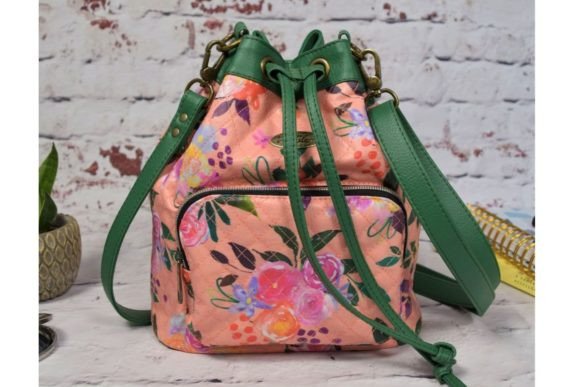
The core appeal of the Alice design lies in its dual functionality. Traditional bag patterns often confine the creator to a single silhouette. However, this pattern offers two distinct options within one framework. This flexibility allows the maker to tailor the final product to specific user preferences or market demands. The structure is engineered to be spacious enough to hold daily essentials, striking a balance between compact aesthetics and practical utility. By integrating a drawstring closure with stopper and grommet eyelets at the top edge, the design ensures easy access to the interior while maintaining security. This mechanism is not merely decorative; it is a functional element that defines the bag’s character, allowing it to expand or contract based on the volume of contents.
For those unfamiliar with bag construction, the inclusion of a firm bottom is a significant technical advantage. It provides structural integrity, ensuring the bag maintains its shape even when not fully packed. Furthermore, the option to add bag feet or decorative piping allows for customization. Bag feet protect the base from wear and tear, extending the lifespan of the accessory, while decorative piping can elevate the visual appeal, adding a touch of professional finish that distinguishes handmade items from mass-produced alternatives.
Functional Features and Organizational Intelligence
One of the most compelling aspects of the Alice Bucket Bag Backpack pattern is its attention to internal organization. In an era where individuals carry multiple devices and personal items, disorganization can lead to frustration. The pattern addresses this by incorporating a fully lined main compartment equipped with a large slip pocket. This pocket is designed with versatility in mind; it can be divided into two or more compartments, enabling users to segregate items such as phones, wallets, and small notebooks. This level of organizational detail is often overlooked in basic patterns but is highly valued by end-users who prioritize efficiency.
Additionally, the inclusion of a connector with a swivel hook for keys is a thoughtful touch. It prevents the common annoyance of searching for keys at the bottom of a bag. The exterior features a 3D zipper pocket on the front, which serves as a quick-access storage solution for smaller items like tissues, mints, or lipstick. This pocket also includes built-in card slot pockets, reducing the need to carry a separate wallet for minor transactions. These features collectively enhance the user experience, making the Alice design not just a fashion statement but a practical tool for daily navigation.
The Backpack Variant: Enhanced Utility and Comfort
While the bucket bag configuration offers a classic, stylish look, the backpack variant introduces elements focused on comfort and security. The pattern includes instructions for adding a flap with a magnetic snap closure, which provides an additional layer of protection for the contents. This is particularly useful in crowded environments where security is a concern. The handle on the back of the backpack version offers an alternative carrying method, allowing the user to switch between shoulder straps and hand-carrying as needed.
Both versions feature adjustable shoulder straps, a critical component for ergonomic comfort. Adjustability ensures that the bag can fit users of different heights and body types, making it inclusive and user-friendly. For creators, understanding the mechanics of strap adjustment and attachment is essential. The pattern guides the maker through these technical steps, ensuring that the final product is not only visually appealing but also comfortable to wear for extended periods. This focus on ergonomics reflects a deeper understanding of human-centered design principles.
Material Selection and Supply Considerations
Creating a high-quality Alice Bucket Bag Backpack requires careful selection of materials. The pattern specifies a list of supplies, noting that variations may occur depending on the desired aesthetic and durability. Typically, medium to heavy-weight fabrics such as canvas, denim, or faux leather are recommended to provide the necessary structure. The choice of fabric influences the drape and stiffness of the bag, affecting both its appearance and functionality. For instance, a stiffer fabric will maintain the bucket shape more effectively, while a softer fabric may result in a more slouchy, casual look.
Interfacing plays a crucial role in achieving the firm bottom and structured sides. Creators must select the appropriate weight of interfacing to complement their chosen fabric. Additionally, hardware components such as grommets, zippers, magnetic snaps, and swivel hooks must be of high quality to ensure longevity. The pattern serves as a guide, but the creator’s judgment in selecting compatible materials is paramount. This decision-making process is part of the creative journey, allowing for unique interpretations of the design. Whether opting for vibrant colors for a youthful audience or neutral tones for a professional market, the material choices define the final product’s identity.
Target Audience and Market Applications
The Alice Bucket Bag Backpack pattern appeals to a diverse range of users. For individual hobbyists, it offers a challenging yet rewarding project that enhances sewing skills. The combination of different techniques—such as installing zippers, attaching grommets, and creating lined compartments—provides a comprehensive learning experience. For educators and workshop leaders, this pattern can serve as an advanced curriculum item, teaching students about structural bag making and functional design.
From a commercial perspective, small business owners and independent designers can leverage this pattern to create unique product lines. The ability to produce both a bucket bag and a backpack from a single pattern reduces inventory complexity while offering variety to customers. The customizable nature of the design allows businesses to cater to niche markets, such as eco-conscious consumers who prefer sustainable materials or professionals who need organized carry solutions. By understanding the specific needs of these audiences, creators can market the finished products effectively, highlighting the versatility and organizational features that set the Alice design apart.
Implementation Strategies for Creators
Successfully implementing the Alice Bucket Bag Backpack pattern requires attention to detail and precision. Before beginning construction, it is advisable to read through the entire PDF instruction set to understand the workflow. Preparing all materials and cutting pieces accurately is essential for a smooth assembly process. Paying close attention to seam allowances and alignment during sewing ensures a professional finish. The installation of the 3D zipper pocket and the drawstring mechanism requires patience and practice, but the results are worth the effort.
Creators should also consider prototyping with inexpensive fabric before using premium materials. This allows for testing the fit and function of the bag, identifying any potential issues with the pattern or technique. Feedback from initial prototypes can inform adjustments, leading to a refined final product. Additionally, documenting the creation process can be valuable for marketing purposes, showcasing the craftsmanship and effort involved in making each piece. This transparency builds trust with customers and highlights the value of handmade goods.
In conclusion, the Alice Bucket Bag Backpack PDF pattern represents a sophisticated approach to accessory design. It combines aesthetic appeal with practical functionality, offering creators the tools to produce versatile, high-quality bags. By understanding the design features, material requirements, and target applications, makers can maximize the potential of this pattern, creating products that resonate with modern consumers. Whether for personal use or commercial production, the Alice design stands as a testament to the power of thoughtful, adaptable craftsmanship in the world of handmade fashion.